Tulip Candy Box SVG: A Designer's Practical Review
As a designer who has spent years navigating the intersection of digital art and physical stitching, I approach every new file with a critical eye. We are not just looking for pretty pictures; we are hunting for functional assets that translate cleanly from screen to fabric. The Tulip Candy Box SVG caught my attention immediately as a potential staple for spring collections, but does it hold up under the scrutiny of real-world production? Let's dive into how this 3D SVG design performs when moved from a mockup to a machine.
The First Impression: Mood and Visual Weight
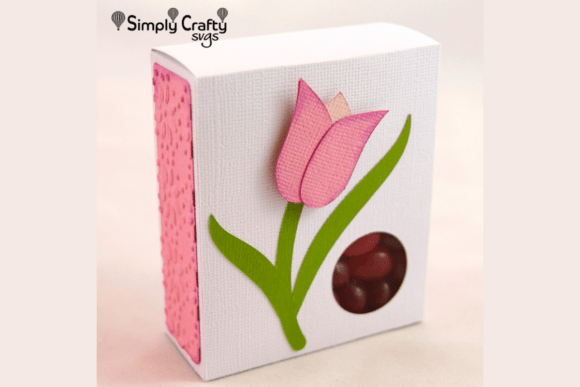
When you first load the Tulip Candy Box SVG into your editing software, the intent is clear. This is not a subtle background pattern; it is a focal point designed to evoke the charm of early spring. The "candy box" concept suggests a container shape, likely intended to frame small elements or serve as a standalone icon for festive packaging. The tulip motif adds a classic botanical touch that resonates deeply during the Easter season.
Visually, the design leans heavily on its 3D SVG structure. In the context of embroidery, this usually implies layers of depth, perhaps utilizing raised effects or distinct separation between the flower and the box. For a handmade product line, this kind of visual personality is gold. It signals quality and thoughtfulness before a customer even touches the item. However, that perceived depth is a double-edged sword. If the stitch density isn't managed correctly in the conversion process, a 3D look can quickly turn into a muddy mess on the final garment.
Testing the Design in Real-World Scenarios
To truly evaluate the Tulip Candy Box SVG, I imagined a specific project: creating a limited-run collection of personalized tote bags for a local craft fair. These bags would be sold as reusable shopping totes but marketed specifically as gift carriers for Easter baskets. The goal was to create a piece that felt substantial enough to carry groceries but decorative enough to be displayed proudly.
In this scenario, the Tulip Candy Box SVG serves as the primary branding element. Placed centrally on a natural canvas tote, the design needs to pop against the textured weave of the fabric. Here is where the distinction between a simple outline and a true machine embroidery design becomes vital. If the file relies too heavily on fine lines without sufficient fill stitch support, the canvas texture will interfere with the clarity of the tulips. Conversely, if the design utilizes a balanced mix of satin stitch for outlines and fill stitch for the petals, it should sit beautifully on the bag, adding a tactile dimension that elevates the product value.
I also considered using this design for custom apparel, specifically a sweatshirt embroidery project. Sweatshirts offer a soft, fleece-backed surface that absorbs thread differently than cotton twill. The rounded nature of the candy box shape works well here, avoiding sharp corners that might snag on the looped fibers of a fleece interior. However, the scale matters. On a chest pocket, the Tulip Candy Box SVG might feel cramped, losing the delicate details of the tulip stems. On the back of a sweatshirt, it could command the space perfectly, acting as a statement piece for a boutique brand.
Navigating Fabric Challenges and Hoop Constraints
Every experienced embroiderer knows that the fabric dictates the success of the design more than the design itself. When working with the Tulip Candy Box SVG, there are specific scenarios where caution is required. Thin fabrics like silk blouses or lightweight linen require extreme care. The weight of the stitches needed to achieve that 3D effect could cause puckering or distortion. In these cases, a heavy-duty stabilizer is non-negotiable. You must test the design on scrap fabric first to ensure the hoop tension doesn't warp the material.
Curved surfaces present another challenge. If you are attempting to place this design on a cap or a hat brim, the geometry of the "box" shape might fight against the curve of the panel. The corners of the candy box could distort, making the tulips look skewed. While the design is versatile, it may not be the best candidate for curved applications unless you have advanced digitizing skills to adjust the stitch angles manually.
Furthermore, consider the color palette. The description mentions "springtime," which often implies pastels. Embroidering light thread colors on dark fabric requires significant underlay work to prevent the background from showing through. If you are planning to use this as an applique design or a dense fill on black denim, check the thread colors and stitch density carefully. A lack of contrast can render the intricate details of the tulip invisible, reducing the professional appeal of the finished product.
Strategic Value for Craft Businesses and Etsy Sellers
For the Etsy seller or small shop owner, the Tulip Candy Box SVG offers more than just a pretty image; it offers a marketing hook. Spring and Easter are high-volume seasons for handmade goods. Having a cohesive design asset that screams "seasonal" allows you to bundle products effectively. Imagine a set of kitchen towels, pillow covers, and baby bibs all featuring this consistent motif. This brand consistency builds trust with customers who recognize your style across different product categories.
The "candy box" aspect is particularly clever for gifting. You could market these items not just as decor, but as containers for treats. An embroidered patch version of this design could be sewn onto a small pouch used to hold chocolate eggs or jelly beans. This transforms a standard textile item into a functional holiday gift, increasing the perceived value and justifying a higher price point. It turns a simple embroidery project into a complete experience for the buyer.
Practical Notes for Professional Execution
Before committing the Tulip Candy Box SVG to a commercial run, follow these essential steps to ensure quality:
- Test on Scrap Fabric: Never skip this step. Stitch out the design on the exact fabric you plan to use to check for puckering, thread breaks, and color saturation.
- Verify Hoop Size: Ensure your machine's hoop can accommodate the full width and height of the design without stretching the fabric unevenly.
- Check Stitch Density: Look at the file preview. Are there areas that seem overly dense? These spots might need trimming after stitching to maintain flexibility.
- Review Licensing: As a digital product seller, confirm whether the license allows you to sell the finished embroidered items. Some files restrict commercial use of the final product, while others grant full rights.
- Mockup Testing: Use printable mockups to visualize the design on various backgrounds. Compare how it looks on light versus dark fabrics to guide your inventory choices.
Ultimately, the Tulip Candy Box SVG is a strong contender for any spring-themed collection. It balances whimsy with structure, offering a versatile canvas for creativity. Whether you are creating a single personalized gift for a friend or launching a full line of holiday merchandise, the key lies in how you adapt the file to your specific materials. By respecting the limitations of your equipment and the nature of your fabric, you can transform this digital file into a tangible, high-quality masterpiece that stands out in a crowded market.