Valentine's Day Rose Card SVG Layer 1935 Review
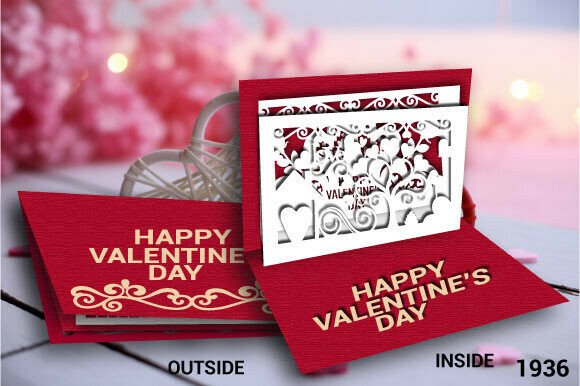
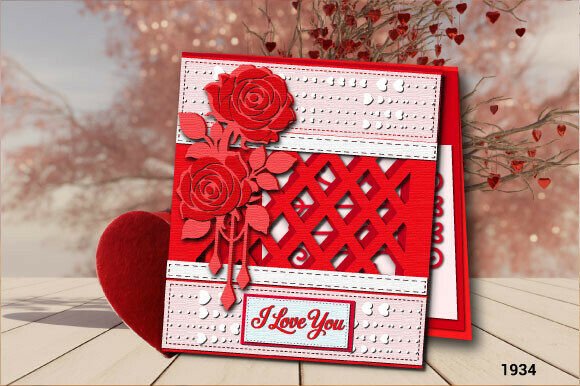
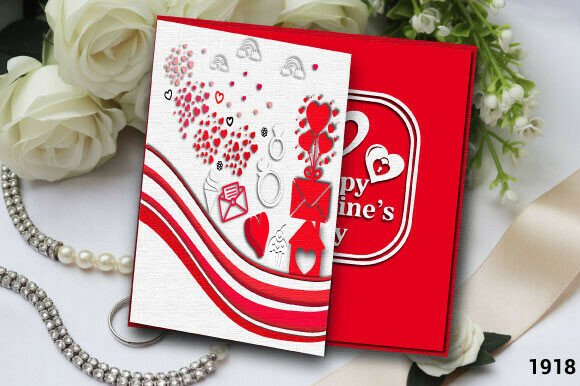
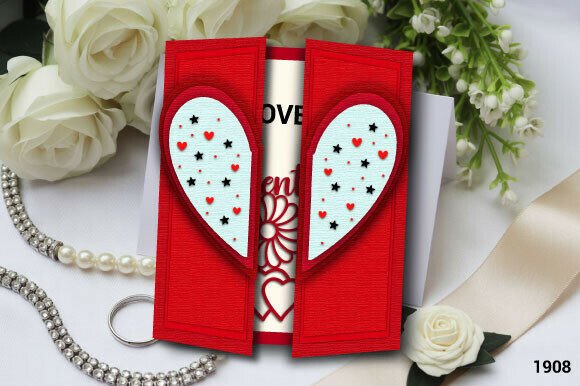
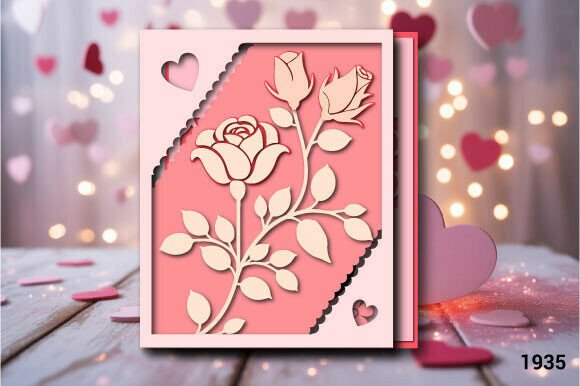
As a brand designer who has spent years refining the visual identities of local bakeries, boutique florists, and handmade skincare lines, I approach every new graphic design asset with a critical eye. My goal is always to determine if an illustration can elevate a product from a simple commodity to a cherished gift. Recently, I evaluated the Valentine s Day Rose Card SVG Layer 1935 for a potential seasonal campaign with a local artisan candle maker. This piece immediately stood out not just as a digital file, but as a mood setter. The description calls it an extraordinary, romantic, and elegant laser-cut Valentine s or wedding card with delicate roses and hearts, and upon inspection, that promise holds true. It exudes a sense of timeless romance that feels both premium and deeply personal.
First Impressions: Mood and Brand Personality
The first thing that strikes you about this 3D SVG design is its intricate layering. Unlike flat clipart that often feels generic, this asset possesses depth and texture that suggests high-quality craftsmanship. For a small business branding project, this level of detail signals care and attention. The delicate roses and hearts create a soft, feminine, and festive atmosphere without being overly kitschy. It fits perfectly within the aesthetic of a boutique store, a wedding planning service, or a gourmet chocolate shop looking to launch a limited-edition Valentine S Day collection.
When I placed the design on a mockup for a luxury soy candle label, the visual hierarchy shifted immediately. The floral elements added a decorative flourish that made the packaging feel like a finished gift rather than a raw product. This is the kind of emotional connection that drives sales in the handmade business sector. It tells the customer that the brand understands the nuances of love and celebration, which is crucial for seasonal campaigns.
Practical Applications for Local Business Branding
The versatility of the Valentine s Day Rose Card SVG Layer 1935 makes it a powerful tool for various commercial design needs. In my review, I explored several real-world scenarios where this asset could transform a brand's presentation:
- Packaging Design and Product Labels: This is where the asset shines brightest. The intricate details work beautifully as a background element on hang tags or as a central motif on a box lid. For a local bakery selling Valentine's day cupcakes, this design could be used on the cupcake wrappers or the bakery bags to instantly communicate the occasion.
- Social Media Graphics and Marketing Visuals: In the digital realm, this SVG design can be scaled effortlessly for Instagram stories, Facebook ads, and website banners. Its clean lines ensure it remains sharp even when resized for mobile screens, helping to maintain a consistent brand identity across all platforms.
- Promotional Materials: From flyers and posters to business cards and thank-you cards inserted into orders, this illustration adds a touch of elegance. A florist could use it on their weekly newsletter to announce special bouquets, while a jewelry designer might feature it on a promotional postcard for engagement rings.
- Printable Inserts and Stickers: For e-commerce sellers, printable designs are essential. This asset can be printed on high-quality cardstock to create custom stickers that seal boxes or serve as "thank you" notes, reinforcing the unboxing experience.
Enhancing Professional Branding and Shelf Appeal
In the crowded marketplace of local businesses, standing out on the shelf or in a social media feed is paramount. Using a high-quality graphic like the Valentine s Day Rose Card SVG Layer 1935 contributes to a stronger first impression. It elevates the perceived value of the product, suggesting that the contents inside are equally thoughtful and well-crafted. This leads to improved customer trust and better product recognition.
When I tested the design against competitor packaging, the difference was clear. Competitors using generic, low-resolution images looked dated and impersonal. In contrast, the 3D SVG layers of this rose card created a polished, professional look that aligned with modern design trends. It provided a clearer visual hierarchy, allowing the brand name to stand out while the floral elements provided context and beauty. This balance is essential for effective editorial design and web design alike.
Strategic Placement: Where It Works Best
To maximize the impact of this design asset, strategic placement is key. I found it works exceptionally well as a hero graphic for a landing page dedicated to Valentine's Day specials. It also serves as a stunning accent on product mockups, giving clients a realistic preview of how their final packaging will look. For boutique visuals, such as window displays or in-store signage, the intricate details draw the eye and invite customers in.
Furthermore, it is ideal for seasonal packaging accents. Imagine a coffee shop using this design on their limited-edition Valentine's day cup sleeves. The combination of the warm beverage and the romantic imagery creates a cohesive brand story. It is also perfect for social media campaign graphics where visual appeal directly correlates with engagement rates.
Cautionary Notes: Where to Use Carefully
While the Valentine s Day Rose Card SVG Layer 1935 is versatile, it is not a one-size-fits-all solution. As a designer, I advise caution when using it in formal corporate branding contexts. The romantic nature of the roses and hearts may clash with the serious tone required for legal firms or industrial services. Additionally, on very small labels or ingredient-heavy layouts, the intricate details might become muddy or compete with essential text.
It should also be avoided in designs where the decoration competes with important information. If you are designing a food label with complex nutritional facts, placing this busy illustration nearby could reduce readability. Similarly, for luxury minimalist brands that rely on vast negative space, this detailed design might feel too ornate. Always check the contrast; on low-contrast backgrounds, the delicate lines of the roses may disappear, rendering the design ineffective.
Designer Tips for Implementation
Before integrating any graphic design asset into a client project, I follow a strict set of testing protocols. First, test the Valentine s Day Rose Card SVG Layer 1935 on real packaging mockups to see how it interacts with lighting and texture. Check how it looks in black and white usage, as some print runs may require monochrome versions. Preview it on small labels to ensure the details do not get lost at smaller scales.
Next, test it with your specific brand colors. Does it harmonize with your palette, or does it clash? Compare it with competitor packaging to ensure your brand remains distinct. Review the PNG transparency if you plan to overlay it on photos, and inspect the SVG editability to confirm you can adjust stroke weights or remove layers if needed. Finally, experiment with typography. Test it beside serif fonts for a classic look, sans serif for a modern twist, script fonts for elegance, and handwritten fonts for a personal touch.
Most importantly, always confirm the commercial licensing before using it for client work, business branding, or physical product sales. Ensuring you have the right to use this asset commercially protects your business and your clients from legal issues. With proper application, this digital product can be a cornerstone of a successful Valentine S Day marketing strategy.